

BOTG Edition #17 - RaDAR Research Update
Check out the latest research update from the Rural Dementia Action Research (RaDAR) team!
RaDAR research includes two main streams, the specialist Rural and Remote Memory Clinic (RRMC), and the rural primary healthcare memory clinics. A community of practice that we have developed over the years helps to guide RaDAR research and includes people living with dementia and family members, front-line health care providers and managers, and other key contributors including health region representatives, international researchers, and individuals from governmental and community-based organizations. We gather at the annual , the RaDAR team’s key knowledge exchange event. The Summit 2025 Online archive is available on our website! You can access the previous Summits' page where you can explore and review sessions from previous years!
RaDAR Receives Increased Provincial Funding to Expand Dementia Care Services
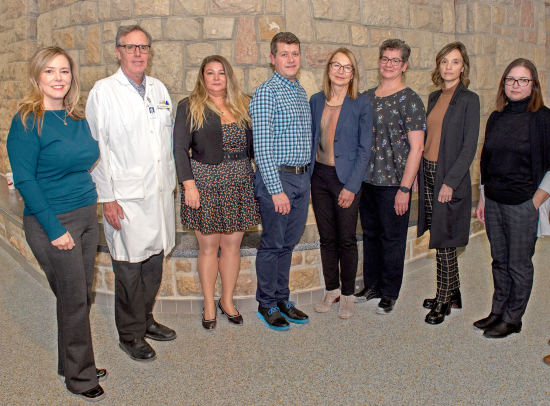
The Rural Dementia Action Team (RaDAR) at the Canadian Centre for Rural and Agricultural Health (CCRAH) is celebrating a significant investment from the provincial government that will strengthen dementia assessment and care for people living in rural and remote communities across the province. The newly secured funding ensures the continued operation — and major expansion — of the specialist Rural and Remote Memory Clinic (RRMC) and the network of Rural Primary Care Memory Clinics.
Since 2010, support from the Ministry of Health has enabled the RRMC to provide one-stop specialist diagnostic services to patients across rural and remote Saskatchewan. The continued support allows the clinic to expand from one to three clinic days per week, tripling diagnostic capacity and significantly reducing current wait times, which exceed one year. This investment ensures that more patients across the province receive timely, specialized care and allows us to grow our interprofessional model, strengthen virtual care, and support families who may otherwise face repeated travel and delayed diagnoses.
The expansion also secures support of the Rural Primary Care Memory Clinics, currently provided by primary health care teams in several communities with plans to expand to more areas. These clinics are part of primary health care operations within the Saskatchewan Health Authority and address the need for specialized care locally without travel to a major city.
With dementia rates in Saskatchewan projected to rise by 142% by 2050, the new funding positions the province to meet increasing demand while strengthening Saskatchewan’s health care system through improved access, interdisciplinary training, and comprehensive, connected care.