

BOTG Edition 15 - Research
Learn more about some of the ongoing research projects in CCRAH!
First Nations Mental Health Research
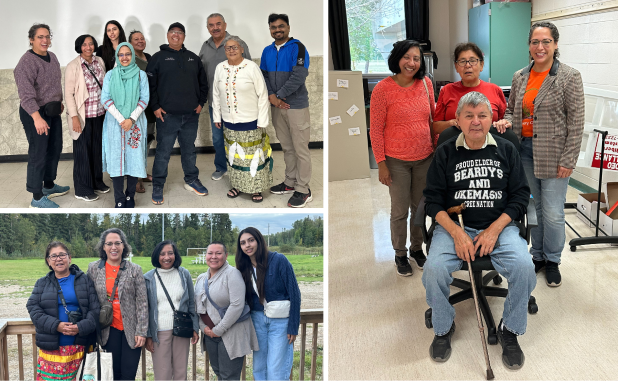
This October, the First Nations Health Research team completed data collection for the Youth Survey (ages 16-20). This Survey asks youth about their experiences of mental health diagnosis and symptoms, especially as related to matters of house, home, technology, spirituality and culture. The Survey is part of the CIHR-funded project, “Assess, Re-Assess, Redress: Addressing Disparities in House, Home, and Mental Health among First Nations people” (PIs James Dosman, Punam Pahwa, Sylvia Abonyi, Malcolm King). Working with our research partners in Beardy’s and Okemasis Cree Nation, Little Red River Reserve, and Montreal Lake Cree Nation, the team held many events to gather youth together with Elders, mental health counsellors, and community leaders to gather information that will be analysed and circulated back to the communities, and then for publication and policy recommendations. We would like to thank all of the team who helped gather our sample of 140 youth participants: Marie Neubuhr, Elder Raymond Baldhead, Elder Dorothy and Ronald Burns, Elder Loretta Mandes, Elder Suzanne Seeseequasis, Deidre Epp, Harmony Johnson-Harder, Nicole Bird, Reynaldo Lindain, Gerald Ballantyne, Joshua Rabbitskin, Tracy Johnson, Ronda Johnson, Erica Stockdale, Delia Naytowhow, Joseph Hunt, April Smith, Jessica Brar, Barada Mohanty, Humaira Anjum, Nadia Smith, Chandima Karunanayake, and Meera Kachroo. Thank you to everyone who helped make this data collections a success!
First Nations and Metis Built Environment
Our project “First Nations Built Environment Climate Action,” which began in 2023 to explore successes, opportunities, barriers, and capacity for Saskatchewan First Nations and Métis members in energy-efficient housing, is currently in its third and final phase. We have interviewed various Indigenous communities across Saskatchewan and collected video footage that captures valuable insights on sustainable housing practices, community priorities, and the integration of energy-saving technologies with traditional building methods. A preliminary review of the content highlights the importance of tailoring building design and energy efficiency through community-led decision-making. The next steps include a review of the videos by Indigenous communities and community partners. The videos will be shared with the public early next year.
RaDAR Research News
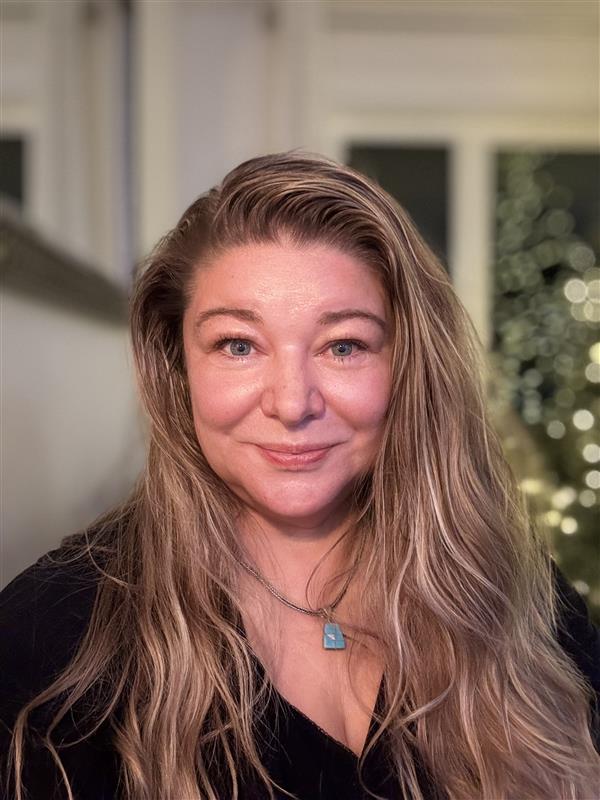
Dr. Megan O’Connell, Rural and Remote Memory Clinic (RRMC) Neuropsychologist and Clinical Director, is bringing numerous dementia supports to Saskatchewan. She is the primary investigator on a Saskatchewan Health Research Foundation (SHRF) grant in partnership with the Alzheimer Society of Saskatchewan that is training support group facilitators to use new tools in their work with care partners including an upcoming podcast series and website. Dr. O’Connell is the Nominated Principal Investigator on a national grant to increase support for care partners of Indigenous people living with dementia and is collaborating on a number of other projects with researchers from across Canada. Dr. O’Connell also has a book released by Routledge entitled How to Live Well with Dementia: Expert Help for People Living with Dementia and their Family, Friends, and Care Partners. This book was co-authored with Anthea Innes, Carmel Geoghegan, and Phyllis Fehr.
Dr. O’Connell is the Principal Investigator on the SHRF 2024-25 Realizing Value Pilot Program, which will examine barriers and facilitators to establishing virtual care partner support groups for Indigenous care partners of persons living with dementia in Saskatchewan.